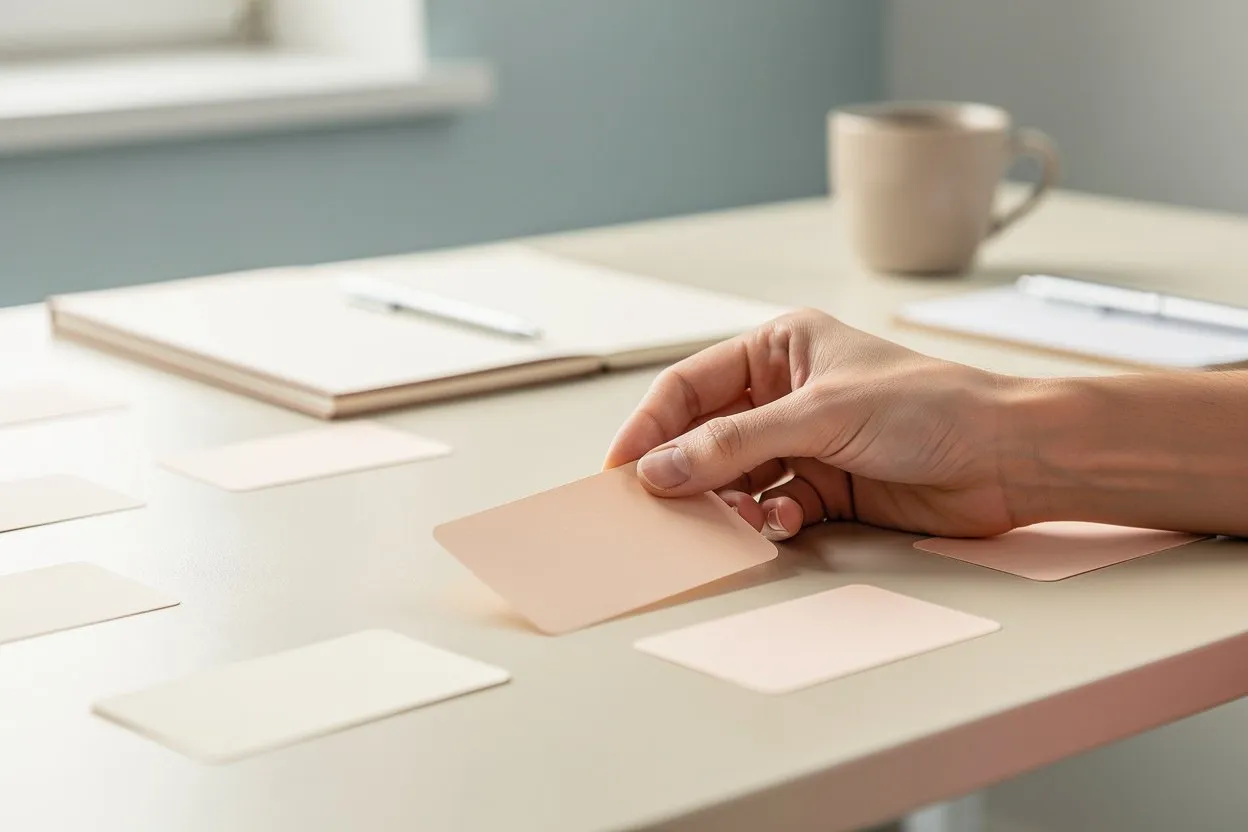
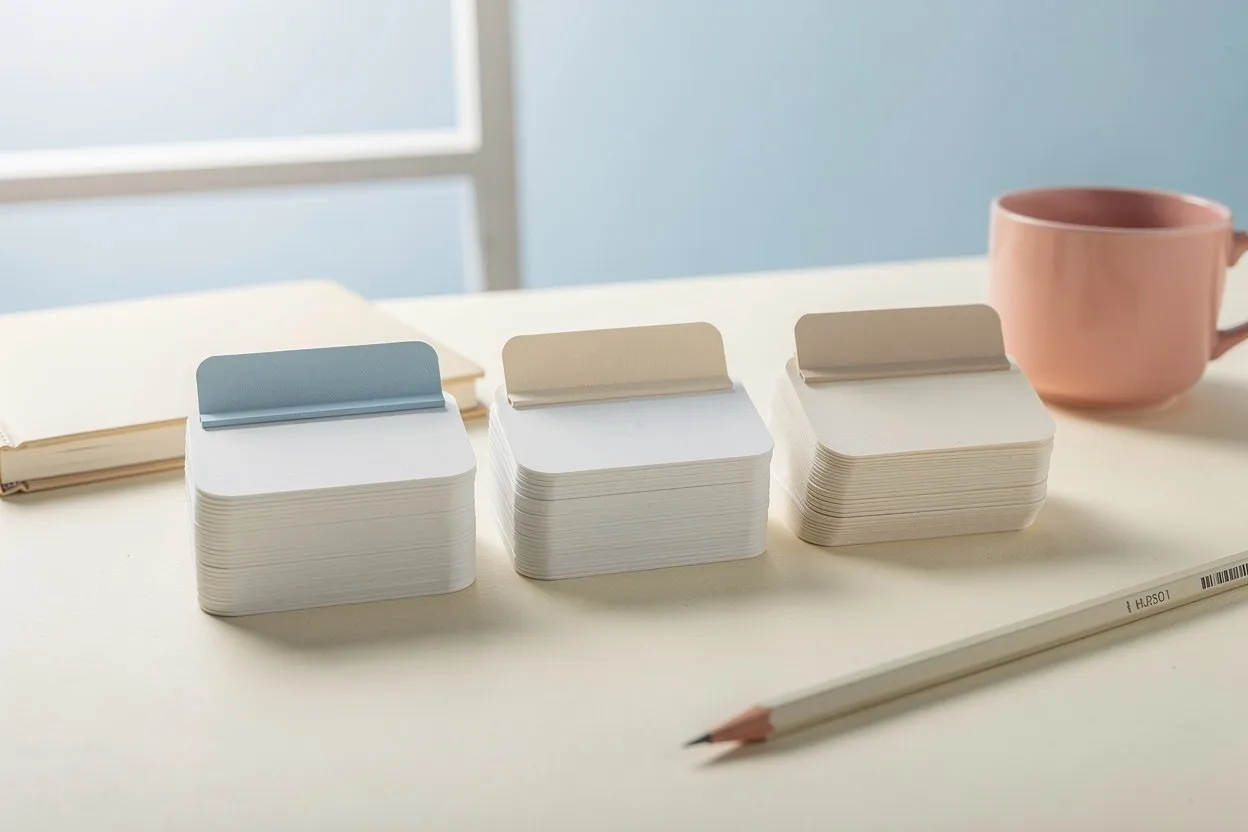
Restart a Card Deck After a Break
Return to an old collection by checking relevance and clarity before attempting to review every saved card.
An old card deck can contain useful material, outdated priorities and questions that made sense only when they were first written. Restarting it does not require treating every saved card as an urgent obligation. Begin by checking what the collection is for now. A short inspection can turn an intimidating list into a manageable set of relevant practice tasks.
Reconnect the deck with a current goal
Ask why you want to return to this collection. Perhaps you are reading the same subject again, preparing for a conversation or continuing a personal project. Identify the parts that support that goal rather than assuming the entire deck has equal value.
Open the card library and read a small sample from different parts of the group. Notice whether the prompts remain understandable without the original context. A card that depends on an unexplained abbreviation or a vanished source may need revision before it belongs in the next session.
Remove confusion before adding volume
Edit unclear fronts, overlong answers and obvious duplicates. If a card contains uncertain information, check it rather than repeatedly practicing a version you no longer trust. You do not need to repair the whole deck at once; begin with the cards you intend to use next.
Keep useful source notes separate from the short review answer. The back of a card can include a concise example, but it should not require searching through a large passage to find the actual response. A restart is a good opportunity to make that distinction clearer.
Try a deliberately small session
Choose a manageable set in review cards. Attempt each answer before revealing it, then use the available labels according to your current response. An old due date does not tell you exactly what you know now; it is a scheduling record from earlier use.
The fixed review choices update the local due list. They do not send reminders, and a different browser will not automatically contain the same collection. If you changed devices since the last session, first confirm where the original records were stored before concluding that the deck has disappeared.
Build a new routine from what you observed
After the first session, identify one useful adjustment. You may need a smaller group, clearer examples or a different practice direction. Let the actual difficulties guide the next session instead of adding many new cards immediately.
If some material no longer serves a purpose, retain any notes you need elsewhere and remove it deliberately. A deck is allowed to become smaller as your goals change. Keep a separate copy of valuable cards before clearing browser data or removing an app. Restarting successfully means having a collection you can understand and use now, not recreating the exact review routine you followed when every card was new.